SHORTSTOP D2C Launch: Can a B2B Exporter Build a D2C Menswear Brand?
Apparel Exporter Meenakshi India Launches D2C Menswear Brand SHORTSTOP — And It’s Playing a Long Game With 70+ SKUs by 2027
India’s D2C fashion space has largely been a playground for venture-backed startups and celebrity-led labels. But a quieter, more calculated entry is now underway — and it comes from a direction most people didn’t see coming.
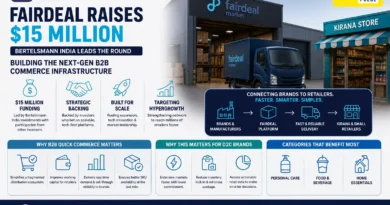
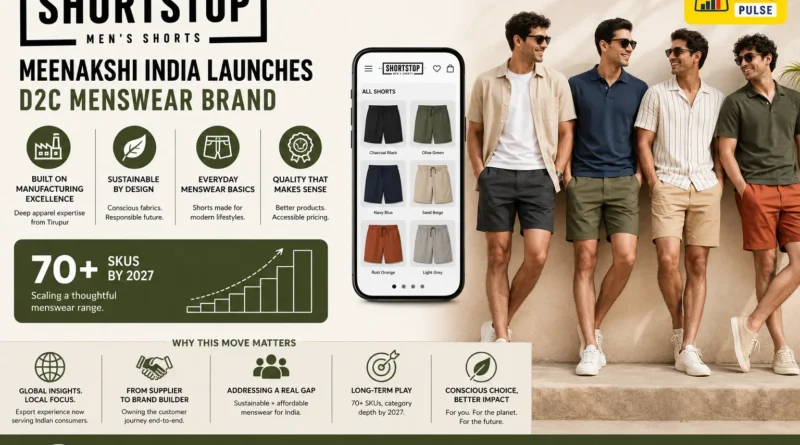
Meenakshi India, a seasoned apparel exporter with deep manufacturing roots, has officially launched SHORTSTOP, its direct-to-consumer menswear brand focused on sustainable clothing. The SHORTSTOP menswear D2C launch marks a significant strategic pivot — from supplying garments to global retail chains to now owning the customer relationship entirely. With plans to scale to 70+ SKUs by 2027, this isn’t a vanity project. It’s a calculated bet on India’s growing appetite for affordable, conscious menswear.
For D2C founders watching from the sidelines, this development deserves more than a passing glance. When manufacturers start building brands, the competitive dynamics of the entire category shift.
What Is SHORTSTOP — And Who Is Meenakshi India?
Meenakshi India is a Tirupur-based apparel export house — one of India’s textile manufacturing hubs — with years of experience producing garments for international markets. The company understands fabric, supply chains, and production economics at a level that most D2C startups spend years (and crores) trying to figure out.
SHORTSTOP is their consumer-facing answer to a gap they likely identified through their own export data: global demand for sustainable, functional menswear is rising, and India’s domestic market is catching up fast.
The brand focuses on sustainable menswear basics — think everyday staples like tees, shorts, and casual bottoms built for the modern Indian man who wants quality without paying a luxury premium. The positioning sits at the intersection of conscious consumption and accessible pricing — a space that’s underserved in India’s menswear segment, which is still dominated by either fast fashion or premium athleisure.
Here’s the eccentric part worth noting: Meenakshi India is essentially competing with its own potential export clients. By going D2C, they’re choosing margin ownership over volume contracts — a trade-off that signals serious long-term intent.
Types of D2C Business Models: Eight Operational Architectures Indian Brands Use to Sell Direct

6 Customer Acquisition Mistakes D2C Brands Keep Making in India
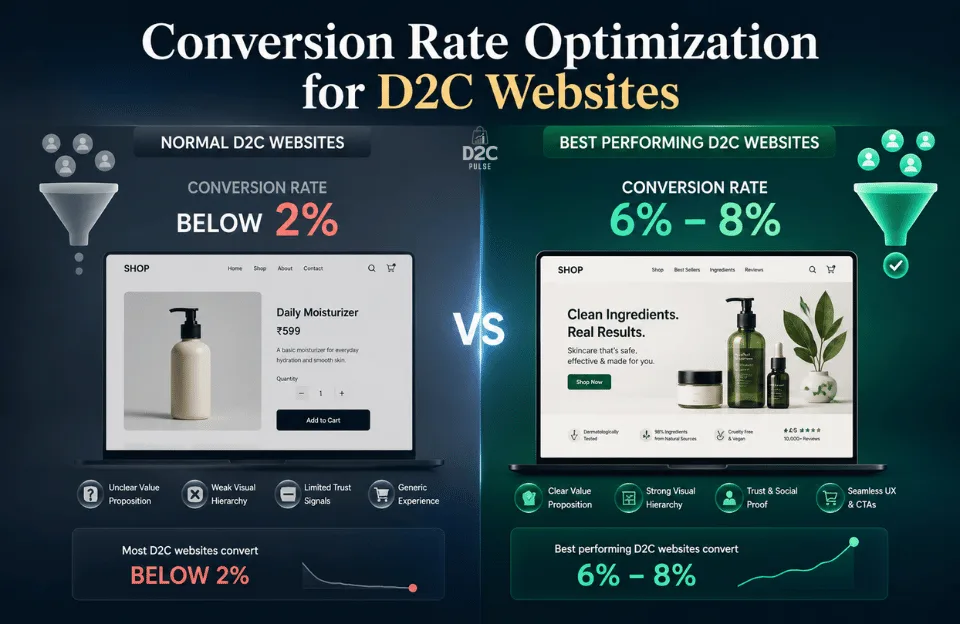
Conversion Rate Optimization for D2C Websites: The Complete Playbook to Turn Visitors into Buyers
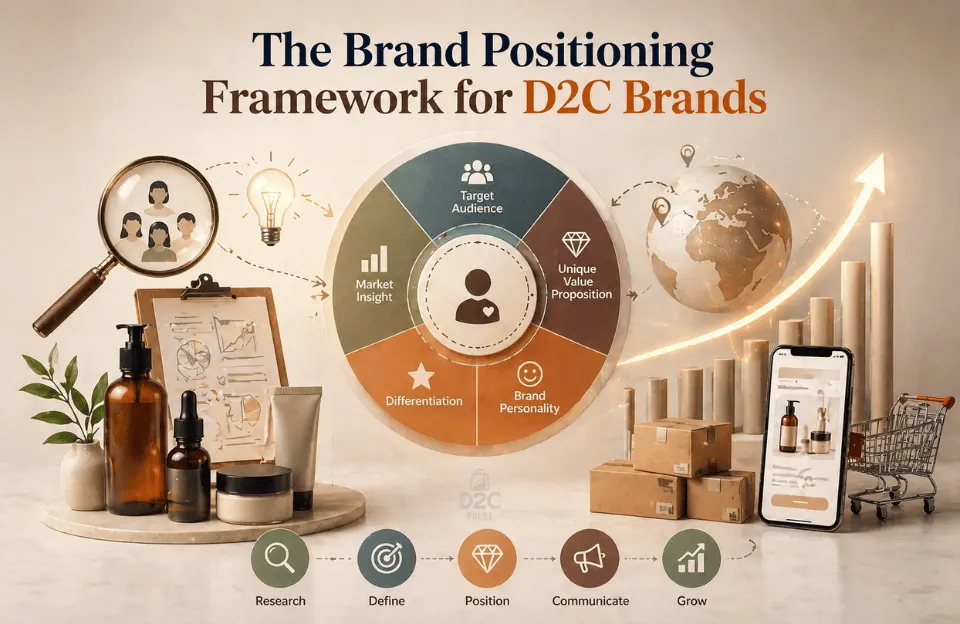
Where SHORTSTOP Is Headed: Growth Plans and Business Direction
SHORTSTOP has set a concrete product expansion target — 70+ SKUs by 2027. This isn’t a soft launch meant to test the waters. It’s a structured rollout with a clear merchandising roadmap.
The brand is entering the market with a digital-first approach, leaning into e-commerce and likely targeting platforms like Myntra, Amazon Fashion, and their own D2C website — the standard multi-channel playbook for fashion brands at this stage.
What gives SHORTSTOP a structural edge over most D2C menswear startups is its vertical integration. Meenakshi India controls manufacturing, which means:
- Lower cost of goods compared to brands that outsource production
- Faster iteration cycles — they can test a new fabric or fit without waiting on third-party vendors
- Better margin architecture — more room to price competitively while staying profitable
The sustainability angle is also strategically timed. ESG-conscious consumers are growing in India’s metros and Tier 1 cities, and brands that embed sustainability into their supply chain narrative — rather than just their marketing — will have more credibility. Meenakshi India, as a manufacturer, can actually back up those claims with process-level data. That’s a significant differentiator.

What D2C Founders and Marketers Can Learn From This
1. Manufacturing moats are real — and underrated
Most D2C fashion brands spend 18–24 months just stabilising their supply chain. SHORTSTOP starts Day 1 with that problem solved. If you’re building in fashion or FMCG, ask yourself: can you get closer to your manufacturer? A co-manufacturing deal, a strategic investment, or even a long-term exclusivity agreement can give you a version of this advantage.
2. B2B-to-D2C pivots are becoming a category trend
Meenakshi India is not alone. Across India, manufacturers who spent decades supplying to retailers are now realising they’ve been building someone else’s brand equity. Expect more of these pivots in textiles, food processing, and personal care. As a D2C founder, this means your supply chain partners today could be your competitors tomorrow.
3. SKU discipline signals brand maturity
Planning 70+ SKUs by 2027 — not 2024 — shows restraint. Too many D2C brands launch with 40 SKUs and collapse under inventory pressure. SHORTSTOP’s phased approach is a reminder that product expansion should follow demand signals, not founder enthusiasm.
4. Sustainability needs supply chain proof, not just packaging copy
Indian consumers are increasingly skeptical of greenwashing. A brand that can point to its own factory floor as evidence of sustainable practices will win trust faster than one with a recycled-paper hangtag and no further explanation. If sustainability is part of your brand positioning, build it into your operations — not just your content calendar.
5. The menswear gap is real — and closing fast
India’s D2C menswear segment has historically lagged behind womenswear in innovation and investment. Brands like SHORTSTOP entering with manufacturing backing and a clear product thesis will accelerate category development. For founders already in menswear, the window for easy differentiation is narrowing. Now is the time to double down on your unique positioning.
The Bigger Picture
SHORTSTOP’s launch is a signal, not just a story. It tells us that India’s manufacturing ecosystem is maturing — producers are no longer content being invisible. They want brand equity, customer data, and direct revenue. For the D2C ecosystem, this means more well-capitalised, operationally-efficient competition entering the market without needing a funding round to do it.
That’s both a challenge and a benchmark. Build accordingly.
Published: 07 May 2026 | Source: Indian Retailer