
CHOSEN Funding: $5M Series A to Scale Beauty D2C Play
CHOSEN, a beauty and skincare direct-to-consumer brand, has raised $5 million in Series A funding, marking another significant milestone in India’s rapidly evolving D2C ecosystem. The chosen funding india beauty d2c round signals continued investor confidence in premium personal care brands that are building differentiated positioning in a crowded market.
While the announcement doesn’t disclose lead investors or participants, the timing and quantum of this raise reveal important patterns about capital allocation in India’s beauty sector—particularly as the market matures beyond first-generation D2C plays.
This funding comes at a critical juncture when beauty D2C brands are transitioning from customer acquisition-led growth to profitability-focused scaling, making CHOSEN’s capital deployment strategy worth examining closely.
Understanding CHOSEN’s Market Position
CHOSEN operates in India’s beauty and skincare segment, a category that has witnessed explosive D2C growth over the past four years. The brand’s Series A raise suggests it has crossed early validation milestones—likely demonstrating product-market fit, repeat purchase rates, and a defensible customer base.
The $5 million quantum is significant for several reasons. It’s large enough to fuel meaningful expansion but conservative enough to suggest disciplined growth expectations. In the current funding environment, where beauty D2C brands are being scrutinized for unit economics and path to profitability, this raise indicates CHOSEN has likely demonstrated sustainable growth metrics.
For context, India’s beauty and personal care D2C market has seen brands like Minimalist, Dot & Key, and Pilgrim raise substantial capital in recent years. However, the sector has also witnessed consolidation, with weaker players struggling to justify continued cash burn. CHOSEN funding of Series A in this environment suggests differentiation beyond marketing-led growth.
Decoding the Funding Strategy
The Series A stage typically indicates a brand has moved beyond seed-stage experimentation and is now focused on scaling operations, expanding product lines, and strengthening distribution channels. For beauty D2C brands specifically, Series A capital is often deployed across five key areas:
Product Development and Innovation: Beauty brands need continuous innovation to maintain relevance. Series A capital typically funds R&D, formulation development, and new product launches that expand the total addressable market.
Supply Chain and Manufacturing: As brands scale beyond initial volumes, manufacturing partnerships need upgrading. Capital often goes into securing better supply chain terms, quality control systems, and potentially backward integration.
Omnichannel Expansion: Pure-play D2C is no longer the dominant strategy. Series A brands typically use capital to expand into quick commerce, modern trade, and selective offline retail partnerships.
Team Building: Scaling requires operational depth. Funds typically go into hiring across product development, supply chain, finance, and growth functions.
Customer Retention Infrastructure: As acquisition costs rise, Series A brands invest heavily in retention marketing, loyalty programs, and community building.
CHOSEN’s deployment across these areas will determine whether this capital translates into sustainable growth or merely extends the runway.
The Budget Split That Separates Brands That Scale from Brands That Stall

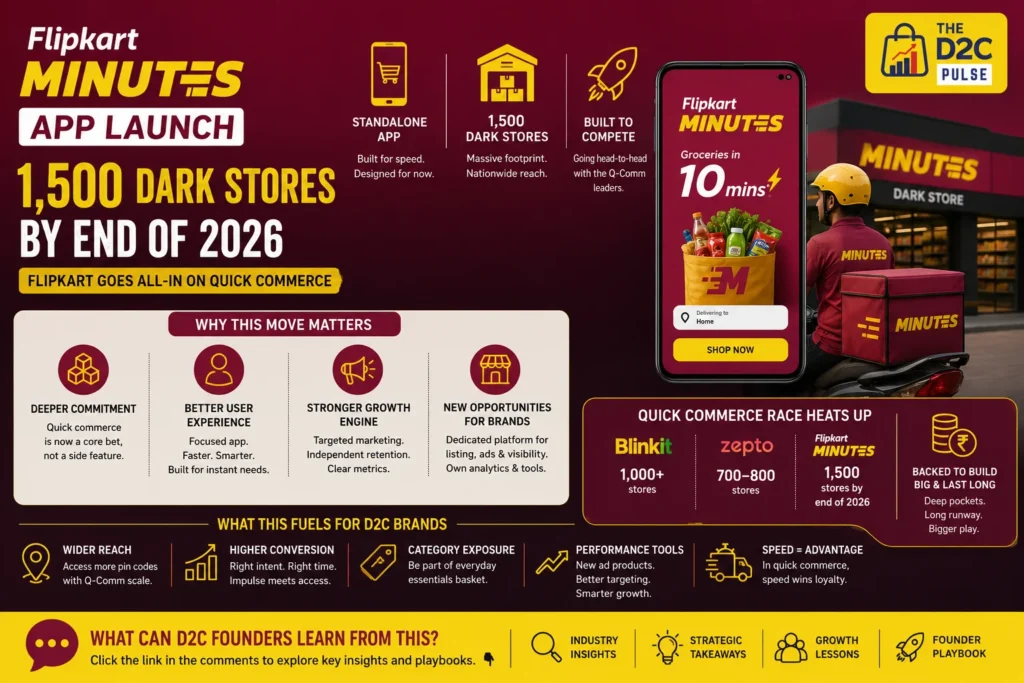
Zepto and Blinkit Expansion: The Race to 2,000 Dark Stores in 2026
Shopify vs WooCommerce for Indian D2C Brands: Which Platform Should You Pick in 2026?
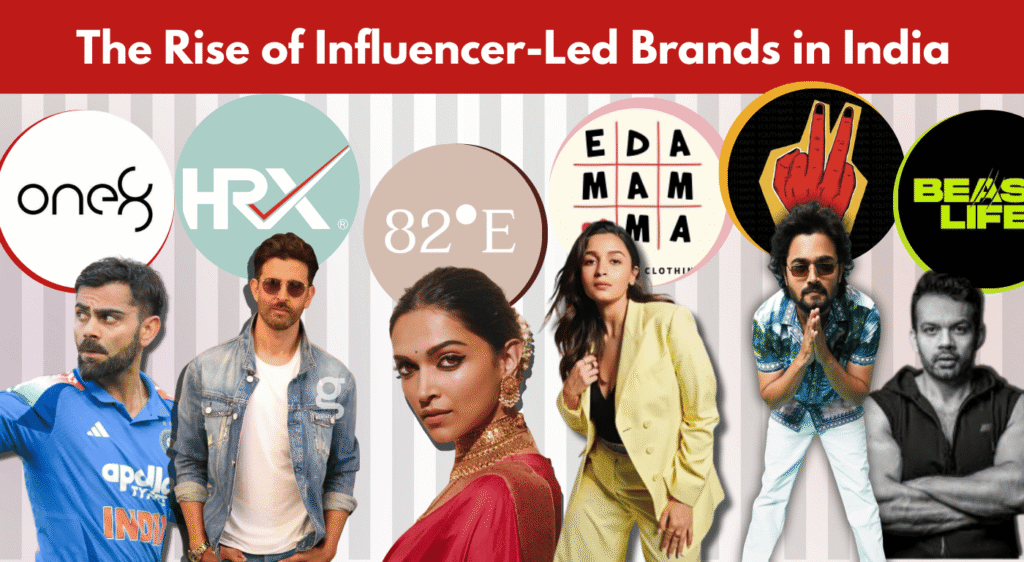
The Rise of Influencer-Led Brands in India: When Creators Become Founders

What This Means for India’s Beauty D2C Ecosystem
The CHOSEN funding announcement reflects three broader trends reshaping India’s beauty D2C landscape:
1. Continued Category Expansion
Despite dozens of beauty D2C brands already operating in India, investors continue backing new entrants and growth-stage players. This suggests the market remains underpenetrated, with room for multiple winners across different positioning strategies—whether ingredient-focused, concern-specific, or demographic-targeted.
The willingness to fund Series A rounds in beauty indicates investors believe the category can support brands beyond the current market leaders. This is positive for founders building differentiated beauty propositions.
2. Shift Toward Profitability Metrics
Unlike 2020-2022, when growth-at-all-costs dominated D2C funding, current beauty investments emphasize unit economics and profitability timelines. CHOSEN funding of Series A suggests it has demonstrated sustainable customer acquisition costs, healthy contribution margins, and reasonable burn rates.
For D2C founders, this reinforces the importance of building financially disciplined businesses from early stages. Brands that cannot demonstrate clear paths to profitability will struggle to access growth capital.
3. Omnichannel as Default Strategy
Modern beauty D2C brands are no longer purely direct-to-consumer. The ecosystem has evolved to include quick commerce platforms, modern trade partnerships, and selective offline presence. Series A capital typically funds this omnichannel expansion, which has become essential for reaching India’s diverse consumer base.
CHOSEN’s funding will likely support distribution expansion beyond owned channels, reflecting the reality that customer acquisition through performance marketing alone is unsustainable at scale.

Implications for D2C Founders and Operators
The CHOSEN funding offers several strategic lessons for D2C founders across categories:
Differentiation Remains Critical: In a crowded beauty market, CHOSEN’s ability to raise capital suggests it has carved out a distinct positioning. Founders must identify and defend specific customer segments, product benefits, or brand narratives that create competitive moats.
Unit Economics Matter More Than Ever: Series A investors are scrutinizing contribution margins, customer lifetime value, and payback periods with increasing rigor. Brands must demonstrate that growth is sustainable without continuous capital infusion.
Omnichannel Expansion Requires Capital: Building distribution beyond owned D2C channels demands investment in inventory management, channel partnerships, and logistics infrastructure. Founders should plan capital requirements accordingly.
Product Innovation Drives Retention: Beauty brands face constant pressure to launch new products that drive repeat purchases. Founders must balance innovation velocity with operational complexity and working capital requirements.
Team Quality Determines Execution: Scaling from seed to Series A requires upgrading talent across functions. Founders should use growth capital to build teams capable of managing increasing operational complexity.